What Makes a SNES Game Valuable?
Some SNES games sell for just a few dollars, while others can cost hundreds or even thousands. This guide breaks down the biggest factors that affect value, from rarity and condition to demand, box contents, and collector trends.
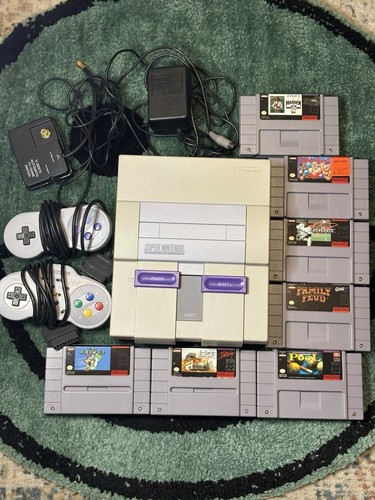
What makes a SNES game valuable?
A SNES game becomes valuable when collectors want it and there are not many good copies available. The biggest value factors usually include rarity, condition, demand, whether the game is complete, and whether it is an authentic original copy.
The highest prices usually come from games that are both hard to find and strongly wanted by collectors.
Rarity is one of the biggest value drivers
The fewer copies that exist, the more valuable a game can become. Some SNES games had smaller print runs, late releases, rental-focused availability, or low sales.
Still, rarity alone is not enough. A rare game with low demand may stay cheaper than a less rare game with a huge fan base.
Demand matters just as much as rarity
A game needs buyers to become truly valuable.
- part of a famous series
- loved by fans
- considered a hidden gem
- tied to nostalgia
- known as a must-own title
When tracking value, check both sold prices and listing activity. A high list price means less if copies do not actually sell.
Condition can change the value a lot
A clean cartridge with a sharp label and little wear is usually worth more than one with fading, writing, or heavy scratching. If the game includes the box and manual, condition matters even more.
Loose, complete, and sealed copies are not valued the same
LOOSE
Loose usually means the cartridge only.
CIB
CIB means complete in box. That usually includes cartridge, box, manual, and sometimes inserts.
SEALED
Sealed means unopened and is often worth the most for high-demand titles.
The box and manual can be a huge part of value
Original SNES boxes were often thrown away, crushed, or stickered. Clean original boxes and manuals are much harder to find than loose cartridges, so complete sets can carry major premiums.
Authenticity matters more as prices go up
A valuable SNES game needs to be real. Reproduction cartridges may work, but they do not usually have the same collector value as authentic originals.
Related guide: How to Spot Fake and Reproduction SNES Cartridges.
Do not pay collector-level prices without authenticity checks on expensive games. Ask for clear shell and PCB photos.
Popular genres often hold value better
Strong-value SNES games often appear in RPGs, action platformers, horror, shoot 'em ups, fighting games, late-era releases, and cult favorites. Not every title in these groups is expensive, but demand tends to stay stronger.
Late releases can become more valuable
Games released near the end of the SNES lifecycle often had lower print runs, which can raise scarcity and long-term value.
Popular franchises can raise value
Major brands and characters attract more attention from collectors, especially when the specific title is considered one of the better entries.
Regional versions and variants can affect value
Some titles have regional differences, label variants, revision differences, or Player's Choice versions that can change value.
Scarcity in high-grade condition matters
A game may be common overall but still rare in top-tier condition. Clean complete copies often draw heavy competition.
Nostalgia helps drive prices
Many collectors buy back games they loved as kids. Nostalgia increases demand, which can push prices higher over time.
Critical reputation and word of mouth can raise demand
When communities repeatedly call a game essential, hidden gem, or top-tier, more buyers start chasing it.
Graded games are a separate part of the market
Some buyers value grading heavily, others prefer raw copies. High-grade sealed examples can command large premiums in certain cases.
The game being fun does not always mean it is valuable
Some excellent SNES games are still affordable because supply is high. Some expensive games are pricey mainly because they are scarce.
Sports games are usually less valuable, but there are exceptions
Many sports titles are common and cheap, but low-print or unusual versions can still carry collector value.
Market trends can change over time
Values can rise with nostalgia waves, online attention, and collector demand shifts. Values can also cool down.
A valuable SNES game usually checks more than one box
Top-value games often stack multiple factors at once: rarity, strong demand, franchise pull, late release, complete package, strong condition, and verified authenticity.
How to tell if your SNES game might be worth more
- Is it hard to find?
- Do collectors talk about it often?
- Is it from a major franchise or cult favorite series?
- Is it complete in box?
- Is condition above average?
- Is it authentic?
- Was it a late release or uncommon variant?
- Does it have a strong reputation?
Quick value factors checklist
Use this fast summary when evaluating a SNES game:
FAQ
Are rare SNES games always valuable?
No. A game can be rare but still not worth much if collector demand is low.
Why is the box so important for SNES value?
Because original SNES boxes were cardboard and often damaged or thrown away, making clean originals much harder to find.
Do fake or reproduction SNES games have collector value?
Usually far less than authentic originals. Reproduction carts may be useful for play, but they do not usually carry the same collector value.
Are complete SNES games worth more than loose cartridges?
Yes. Complete in box copies usually sell for much more, especially if the box, manual, and inserts are all in good condition.
Do popular SNES games always cost more than uncommon ones?
Not always, but strong demand can push prices higher even when a game is not the rarest title.
Can condition really change value that much?
Yes. Two copies of the same game can sell for very different prices based on label wear, box damage, manual quality, and overall appearance.
Final thoughts
A SNES game is usually valuable because collectors want it and cannot easily find a nice authentic copy. Rarity, demand, condition, box quality, and authenticity all matter.
The highest prices usually come from games that combine several strong value factors at the same time.
If you are collecting, buying, or selling SNES games, always look at the full picture instead of only the title on the label.