How to Spot Fake and Reproduction SNES Cartridges
Buying old Super Nintendo games is fun, but it can also be risky. Some SNES cartridges are real, some are reproduction carts, and some are straight-up fakes. This guide breaks down the easiest ways to tell the difference so you can buy smarter and avoid getting burned.
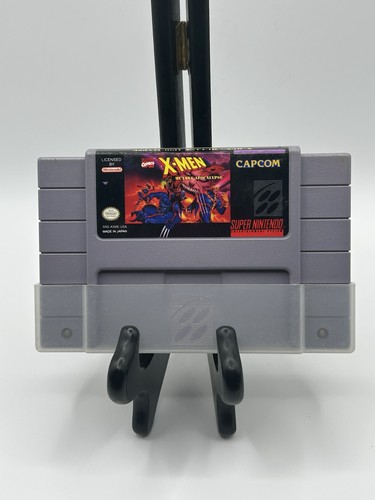
What is a fake or reproduction SNES cartridge?
A fake SNES cartridge is a cart made to copy a real game. A reproduction cartridge, often called a repro, is also a newly made cart, but it is often sold as a copy or remake of an original release. Some repros are sold honestly. Others are made to look real and trick buyers.
If you only want to play a game on original hardware, a repro may not seem like a big deal. But if you are paying collector prices, the difference matters a lot.
Why fake SNES cartridges are so common
Super Nintendo collecting has gotten more expensive over the years. As prices go up, fake carts become more common. Rare games, fan favorites, RPGs, and high-value titles are common targets.
That means buyers need to be careful, especially when a game looks too clean, too cheap, or too perfect.
If a listing has multiple red flags at once, pause before buying. Cheap price plus vague wording plus weak photos is a risky combination.
Start with the big picture before checking details
Do not rely on just one clue. The smartest way to verify a SNES game is to stack clues together:
- the price
- the seller
- the label
- the shell
- the screws
- the back of the cartridge
- the way it feels
- the board inside
A suspiciously low price is often the first warning sign
If a rare SNES game is listed far below normal market value, slow down. Cheap prices can happen, but they are often one of the first signs that something is wrong.
Watch for strange wording in the listing
Be careful with phrases like:
- brand new
- fan-made
- custom cart
- collector copy
- reproduction style
- unsure if authentic
- no returns
Check the front label carefully
Look for blurry print
Original labels usually look sharp and clean. Fake labels often look scanned, reprinted, and slightly fuzzy.
Compare the colors
Fakes can look too dark, too bright, faded, or just wrong compared to originals.
Check the finish
Some fake labels look too glossy. Others look too flat.
Inspect the Nintendo Seal of Quality
If the seal looks badly printed, oddly colored, or stretched, treat that as a warning sign.
Look for the correct code text
Missing or incorrect tiny print can be a big clue.
Compare one clear front photo and one clear back photo to trusted references before you buy.
Compare the label to a trusted reference
Pay close attention to title placement, logo placement, seal placement, tiny print, product code, color balance, and border details. Fakes often get close but miss small details.
Inspect the shell plastic
A real SNES shell usually feels sturdy and consistent. A fake shell may feel too light, too smooth, too rough, too shiny, or slightly off-color. Watch for sloppy seams and soft molding details.
Check the screws
Original SNES cartridges usually use security screws, not standard Phillips screws. Wrong screws are a major red flag.
Do not forget to inspect the back
Some fake carts have a decent front but a much worse-looking back. Check Nintendo branding, molded text, plastic finish, label style, and odd screw holes.
Pay attention to the fit and feel
A fake cartridge may feel too light or flimsy, or fit differently in the console. This clue is not enough alone, but useful with other checks.
The best test is opening the cartridge and checking the PCB
If the game is expensive, this is the test that matters most.
What to look for on the board
- Nintendo markings on the board
- a proper board code
- clean solder joints
- factory-style chips
- no random messy wiring
- no obviously modern repro board layout
Why PCB matching matters
Compare the board inside to a known authentic board for that exact game, not a random SNES board photo.
For expensive games, request PCB photos before buying. Serious sellers often provide them.
Save batteries and special chips can confuse beginners
Some real SNES games include a battery or special chips. That alone does not prove fake or authentic. The board still needs to match what that game should have.
Mixed-part cartridges can fool buyers
- a real shell with a fake label
- a real shell with the wrong board
- a fake shell with copied artwork
- a real back paired with a fake front
That is why one single test is never enough.
Real SNES cartridges can have legitimate variants
Some authentic carts have different manufacturing text, back labels, print finish, shell stamps, and release variants. Compare with trusted references before deciding.
Best habits before buying a valuable SNES game
- Compare the outside to trusted reference scans
- Check seller wording and price
- Open the cart if value is high
- Compare the board to a known authentic PCB
- Walk away if multiple details feel off
Quick checklist for spotting fake SNES cartridges
Use this fast checklist before you buy:
If several answers are yes, be very careful.
FAQ
Are reproduction SNES games always bad?
Not always. Some repro carts are for fan translations or personal use. The problem starts when a repro is sold as original.
Can a fake SNES cartridge still work?
Yes. Working does not mean authentic.
What is the easiest way to spot a fake SNES game?
Start with label, screws, shell quality, and price. For expensive games, open the cart and check the PCB.
Do all real SNES cartridges look exactly the same?
No. Some authentic cartridges have variants.
Should I avoid buying rare SNES games online?
Not necessarily. Ask for clear photos, compare details, and request PCB photos for high-value games.
Final thoughts
Spotting fake SNES cartridges gets easier with practice. Smart buyers compare details, check references, and inspect the board when the stakes are high.
If a game is expensive, never be afraid to verify it before you buy.